

- Autoleap Marketing
- Exhaust
Auto Diagnostics: Early Detection to Prevent Major Repairs
When it comes to keeping your vehicle in prime condition, nothing is more important than addressing problems before they snowball into costly repairs. Auto diagnostics have revolutionized the way vehicle maintenance is approached, offering early detection of potential issues that could lead to major breakdowns or expensive repairs down the road. This process uses advanced technology to assess your vehicle’s performance. It is one of the best ways to maintain your car’s health.
In this article, we will explore the significance of auto diagnostics, the tools involved, and how they can save you both time and money. From understanding the importance of the check engine light to utilizing cutting-edge engine diagnostic tools, we’ll walk you through how vehicle troubleshooting works and why regular diagnostic checks are a smart choice for every car owner.
What Is Auto Diagnostics?
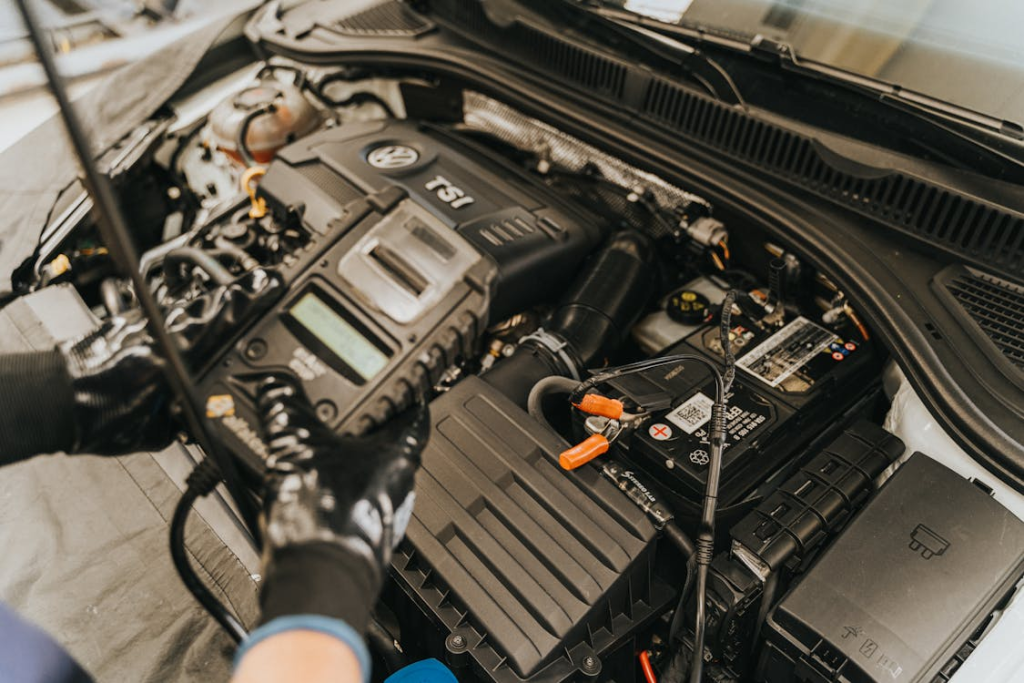
Auto diagnostics uses specialized tools to assess your vehicle’s systems. The vehicle’s onboard computer system does most diagnostics. It monitors engine health, emissions, fuel efficiency, and sensor performance. Diagnostics let mechanics access the system and retrieve data. This can pinpoint issues not immediately visible or audible.
Think of auto diagnostics as a “health check-up” for your vehicle. Like a doctor, a mechanic uses tools to find problems. A doctor uses tests to detect health issues in a patient. A mechanic uses car diagnostics to find problems in your car. This early detection is vital because it allows problems to be resolved before they worsen and lead to costly repairs or breakdowns.
In the past, vehicle troubleshooting was more about trial and error. Mechanics had to manually inspect and test each system. They often missed minor issues that later grew into bigger problems. However, with the advent of diagnostic tools, mechanics can now quickly and accurately identify issues. This saves both time and money.
The Role of Engine Diagnostic Tools in Detecting Issues Early
One of the most significant developments in auto diagnostics is the creation of engine diagnostic tools. These tools allow mechanics to connect to a vehicle’s OBD-II system. It is in most modern vehicles. It enables real-time monitoring of the engine and fuel systems, sensors, and other vital components.
Engine diagnostic tools can detect many issues. These include minor faults, like a bad sensor, to serious problems, like engine misfires or transmission failures. Examples of these tools are scanners, code readers, and diagnostic software. These tools read diagnostic trouble codes (DTCs). The vehicle’s ECU (Electronic Control Unit) generates these codes when it detects an abnormality.
One big advantage of engine diagnostics is finding issues early. This can prevent major problems. For instance, if a misfire is detected early, a mechanic can replace a faulty spark plug or ignition coil. This can save you hundreds in repair costs by preventing damage to the catalytic converter. Also, early detection of issues with fuel injectors or fuel pumps can prevent major damage to the engine or transmission.
Modern engine diagnostic tools are incredibly precise and can even detect issues that are not easily visible or audible. This tech allows for faster troubleshooting. It leads to more accurate repairs and fewer oversights.
How the Check Engine Light Plays a Key Role in Vehicle Troubleshooting

The check engine light (CEL) is one of the most common indicators that something is wrong with your vehicle. While many drivers tend to ignore the check engine light, it should always be taken seriously. The CEL is a warning sign that indicates an issue with the engine, transmission, or another critical component of the vehicle.
When the check engine light turns on, it can be triggered by a variety of issues, some of which are minor and others that could lead to serious damage. For example, a loose gas cap can trigger the check engine light, but so can problems with the oxygen sensor, catalytic converter, or fuel system. The best way to diagnose the exact cause of the check engine light is through car diagnostics.
Once the vehicle is connected to a diagnostic tool, the technician can pull up the error codes generated by the car’s onboard computer. These codes detail which systems or components are malfunctioning. They help the mechanic narrow down the potential issues. Without this tool, pinpointing the cause of a check engine light would be much more time-consuming and less accurate.
The check engine light doesn’t always mean there’s an urgent problem. But, it should never be ignored. If your check engine light comes on, it’s always best to schedule a diagnostic checkup sooner rather than later. Neglecting it could result in a small problem turning into a costly repair.
Benefits of Regular Auto Diagnostics
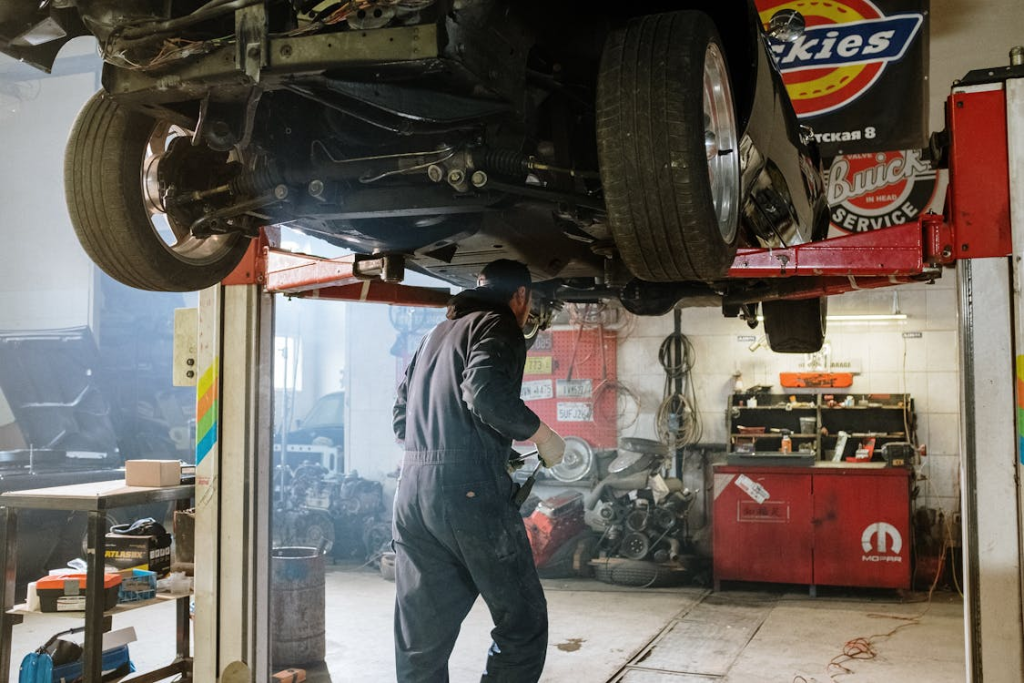
Performing regular auto diagnostics offers several long-term benefits for vehicle owners. By finding problems early, you can avoid costly repairs. This will keep your vehicle in top condition. Here are a few key advantages of scheduling regular diagnostics:
1. Preventing Costly Repairs
Many serious vehicle issues, such as engine or transmission failure, can be avoided with early detection. Minor issues, like a faulty oxygen sensor or worn-out spark plugs, may seem insignificant. But, if unchecked, they can severely damage the engine and lead to costly repairs. Regular diagnostics help you catch these problems early before they cause extensive damage to your vehicle.
2. Increasing Vehicle Lifespan
Keeping your car running smoothly and addressing issues promptly helps extend the life of your vehicle. Regular diagnostic checks ensure that your car’s systems are functioning correctly, preventing premature wear and tear. For example, if your car’s fuel system is inefficient, it can strain the engine and shorten the vehicle’s life. By identifying and repairing issues early, you can ensure your car lasts longer and performs better.
3. Improving Fuel Efficiency
Another significant benefit of regular diagnostics is the improvement of fuel efficiency. Issues with parts like fuel injectors or filters can lower fuel economy and raise your gas costs. Car diagnostics can identify these issues, allowing them to be repaired quickly, so you can avoid costly fuel consumption.
4. Reducing Emissions
Environmental concerns have made it crucial for vehicles to meet emissions standards. Regular diagnostics can ensure your exhaust system works correctly. This reduces harmful emissions. Diagnostics can identify problems in the exhaust system or catalytic converter. This can prevent your vehicle from failing an emissions test and ensure it meets environmental rules.
When to Seek Auto Diagnostics
Auto diagnostics are usually part of regular vehicle maintenance. However, some signs indicate it’s time to check your vehicle. Here are a few red flags to watch out for:
- Check Engine Light: If your check engine light comes on, it’s time for a diagnostic test. Ignoring this warning can lead to worsening issues and more expensive repairs.
- Unusual Noises or Vibrations: Strange sounds, like grinding or knocking, may signal a vehicle issue. These noises should never be ignored.
- Decreased Performance: If your vehicle is sluggish or rough, a diagnostic check can help.
- Poor Fuel Economy: A sudden drop in fuel efficiency may signal a problem with the fuel system, sensors, or exhaust.
Scheduling regular diagnostic tests is an investment in the longevity and efficiency of your vehicle. It helps you stay ahead of any potential issues and ensures your vehicle remains in optimal condition.
Auto diagnostics are a vital part of modern vehicle maintenance. They allow for early detection of issues, which can prevent costly repairs and extend the lifespan of your car. From the check engine light to advanced engine diagnostic tools, these technologies make vehicle troubleshooting quicker, more accurate, and more efficient. By staying proactive with car diagnostics, you can ensure your vehicle runs smoothly for years to come.
Don’t wait for a small problem to turn into a major issue. At All Automotive , we offer top-tier diagnostic services to help you catch any potential problems before they become expensive repairs. Contact us today to schedule your car diagnostic check and keep your vehicle running at its best!
